How to Apply Pb Blocker: The Five Steps, With Bench Tips
The label fits on a short card, and a few bench habits make each of the five steps easier to do well.
October 27, 2026 · 4 min read
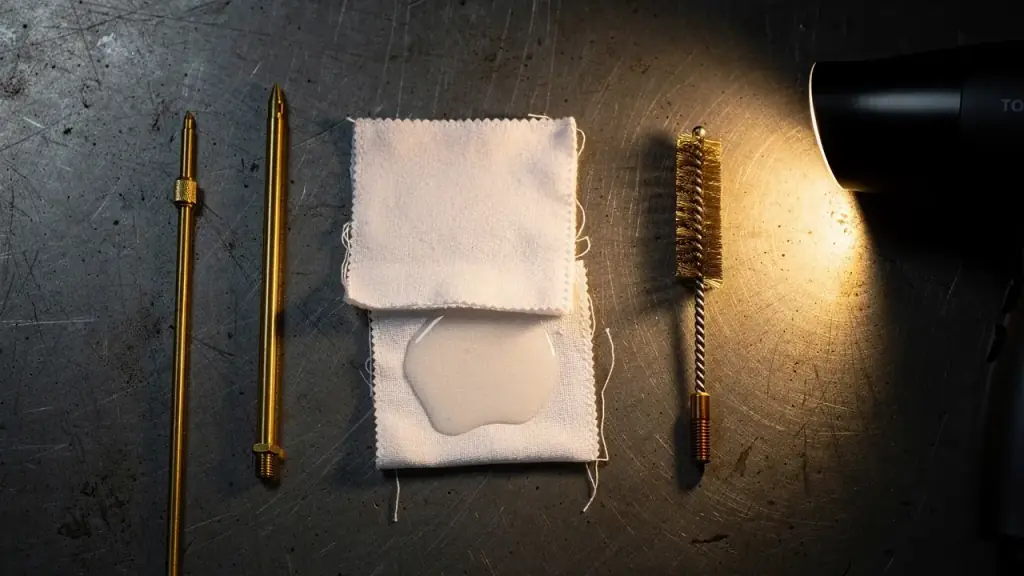
The instructions for Pb Blocker are short: clean the bore, warm the barrel, swab it with a moistened patch, let it set, then swab again to remove the excess. Five steps. They're simple, but a few bench habits separate a coating you applied from a coating you applied well. This walkthrough follows the label's order and adds the practical details that make each step easier.
Before you start: safety and setup
Unload the firearm, then check it again. Lock the action open, remove the magazine, and move ammunition out of the room, or at least well away from the bench. Wear eye protection, because solvents and spring-loaded parts both find eyes. Work somewhere with decent airflow. The Material Safety Data Sheet for the product is online at www.54go.net, and it's worth reading once before you open the first bottle.
Gather what you need before you begin: a cleaning rod, a jag or patch holder, patches, a bore brush if you need one, your usual solvent, a clean rag, and a hair dryer or heat lamp. A rod guide that keeps solvent out of the action helps on bolt rifles and semi-autos. Put paper or a rag under the barrel so drips don't land on the finish.
Step 1: Clean the bore
The label says the barrel should be clean for best results, and this is the step people are tempted to rush. Coating over a layer of old lead or copper just seals in the problem. Brush the bore, push solvent patches through until they come out light, then follow with dry patches. A good habit, though not an official step, is to keep running dry patches until they come out dry, so there's no pool of solvent left in the bore when you move on. If you can see lead in the rifling, take the time to remove it now with the method you trust, and look down the bore with a light before you go any further.
Step 2: Warm the barrel
For best results, warm the barrel with a hair dryer or a heat lamp. The aim is warm to the touch, not hot. Play the dryer along the barrel while you turn the gun, and keep the heat away from wood stocks, polymer furniture and optics, since heat can mark finishes and loosen adhesives. Give it a moment to even out before you move on.
No hair dryer in the field? The product page says Pb Blocker will work in field conditions without warming. If you're at camp or at a match and the bore needs attention, go ahead with the remaining steps.
Step 3: Moisten a loose fitting patch and swab liberally
Two words matter here: loose fitting and liberally. A tight patch scrubs more than it spreads, and it can drag liquid off the walls of the bore as it goes. Use a patch noticeably smaller than your cleaning patches, so it rides through the bore with light pressure. Moisten it with Pb Blocker, mount it on the jag, and push it through the full length of the bore in one smooth pass. Work from the chamber toward the muzzle when you can, and don't reverse the rod inside the bore. If the first patch looks like it ran dry before the end, repeat with a freshly moistened one. Pay attention to the throat and the muzzle, since both are easy to miss.
Step 4: Let it set
The label says to let it set and leaves the timing to your judgment. This article won't invent a number the product page doesn't give. If you want guidance for a specific barrel or for cold or humid weather, call the order line at 214-274-4321 or email hayes@pbblocker.com and ask. While it sets, use the time: wipe down the outside of the barrel, tidy your patches, and keep the muzzle pointed in a safe direction.
Step 5: Swab again to remove excess
A clean, dry patch through the bore takes away the excess. Keep going until a patch comes through without picking up much. Wipe the chamber mouth and the face of the bolt or breech so no extra liquid sits where a cartridge will sit. Then reassemble, and keep the bottle capped and away from your ammunition.
Habits that save time later
- Keep a separate stack of patches for each step, so you can tell at a glance where you are.
- Write the date and round count in a small notebook after you treat a bore. Next time, the comparison will tell you whether it's helping with your load.
- Treat the barrel before the range session, since the idea is less build-up while you shoot.
- Look at the bore at the end of the session and compare it to your notes, instead of trusting memory.
Barrel makers have their own opinions, and Clint Beyer, owner of Beyer Barrels, is on record: "I treat my custom barrels with PbBlocker prior to shipping." Results depend on the gun and the load, so keep your notes and judge for yourself. Pb Blocker is $16.95 a bottle, ships from Farmington, NM, and carries a 100% satisfaction guarantee on all purchases. The same five steps are laid out on the /how-to-use page if you'd like to keep them handy at the bench.
Pb Blocker, 214-274-4321
Call 214-274-4321More articles
Why Lead Builds Up in a Barrel, and What a Bore Coating Changes
If your patches come out gray after every range day, here is what is happening inside the bore and where a coating fits.
Caring for Older and Collectible Firearms, and Where a Bore Coating Fits
Old guns need a lighter hand and a better plan than a modern pistol, and a coating is only one part of that plan.